
"post-frost pruning"
2380 article(s) found
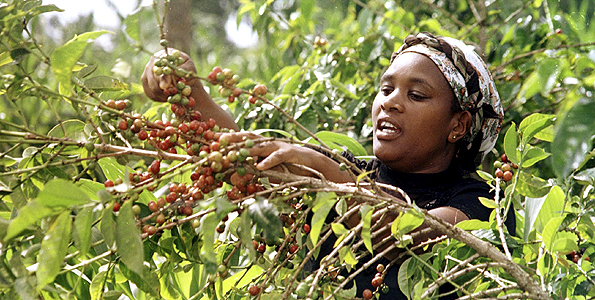
Yega Xuefei Sun treatment Banki Magi Ethiopia primeval Forest China Coffee net Fine Coffee
There are eight main producing areas of Ethiopian coffee: Ekempti, Limu, Illubabor, Djimma, Harrar, Teppi/Bebeka, Sidamo, Yirgacheffe. Ethiopian coffee is highly rated in Taiwan, especially Chinese people are particularly interested in the three famous producing areas of Ethiopia, namely Harrar, Sidamo and Yirgacheffe.

The characteristics of Red Kaddura washed Coffee beans in Costa Rica
The characteristics of red Kaddura washed coffee beans in Costa Rica the taste of the grinding scale manor introduces that the coffee trees planted in Costa Rica are all Arabica coffee trees, and through improvement, the quality of coffee beans is better and more stable; in order to facilitate picking, coffee trees are maintained at a height of about 2 meters by continuous pruning; the coffee that people eat is the flavor released by the seeds in the fruit being soaked in water.
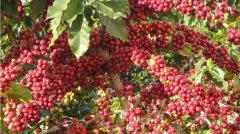
The process of the growth of coffee trees the process of roasting the fruits of coffee trees
The coffee tree is an evergreen tree with small white flowers and green flowers that turn red when it is mature. A normal coffee tree can usually grow to 5 to 10 meters high, but for the convenience of harvesting, bean farmers often prune it to less than 2 meters. After flowering, there are many dark green ellipses, and the mature ones change from dark green to bright red.
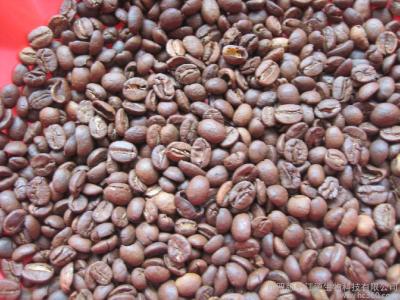
Introduction to the taste characteristics and flavor description of Cadura boutique coffee beans in Honduras
Taste characteristics of Honduras Cadura Fine Coffee beans the granules of Honduran coffee beans are large in shape, uniform in size, uniform in color and shiny in color. In order to facilitate harvesting, farmers will prune the coffee trees to no more than 150 centimeters, because if they grow too high, they must set up ladders to pick, which is not only time-consuming, but also may damage the trees by bending branches.

Introduction to the Origin of Red Honey Flavor of Costa Rican Coffee beans
Costa Rican coffee beans Red Honey Flavor Water temperature Red bourbon Yellow Honey Variety Origin introduction Coffee trees planted in Costa Rica are all Arabica coffee trees have been improved so that the quality of coffee beans is better and more stable; in order to facilitate picking, coffee trees are maintained at a height of about 2 meters by continuous pruning; the coffee that people eat is the flavor released by the seeds in the fruit soaked in water. Pick

Introduction to the production area of Costa Rica Yellow Honey Coffee Bean by Grinding scale treatment
The coffee trees grown in Costa Rica are all Arabica coffee trees. Through improvement, the quality of coffee beans is better and more stable. In order to facilitate picking, coffee trees are maintained at a height of about 2 meters by continuous pruning. The coffee that people eat is the taste of seeds in the fruit that are brewed in water. Pick

Introduction of Costa Rican coffee boutique coffee beans with unique strong flavor
All the coffee trees planted in Costa Rica are Arabica coffee trees. through improvement, the quality of coffee beans is better and more stable. in order to facilitate picking, coffee trees are kept at a height of about 2 meters through continuous pruning. The coffee that people eat is the taste of the seeds in the fruit that are brewed in water. After picking raw coffee beans, the peel, pulp, seed film and sun exposure must be removed.

Introduction to the quality characteristics of Costa Rican Red bourbon Coffee Flavor description treatment
Costa Rican coffee is grown in Costa Rica with Arabica coffee trees. Through improvement, the quality of coffee beans is better and more stable. In order to facilitate picking, coffee trees are kept at a height of about 2 meters through continuous pruning. The coffee that people eat is the flavor released by the seeds in the fruit being brewed in water. After picking raw coffee beans, the peel, pulp and seed must be removed.

Flavor and taste of coffee beans in Honduras introduction to the varieties of grinding calibration by regional treatment in manor
The flavor description of Honduran coffee beans introduces that the granules of Honduran coffee beans are large in shape, uniform in size, uniform in color and glossy. In order to facilitate harvesting, farmers will prune the coffee trees to no more than 150 centimeters, because if they grow too high, they have to set up ladders to pick, which is not only time-consuming, but also may damage the trees by bending branches. Due to the maturity of each fruit of the coffee bean
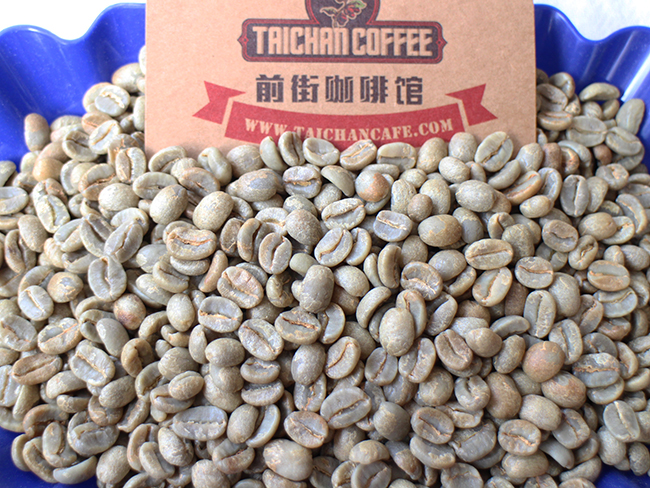
Wholesale price of imported boutique coffee and raw beans in Ethiopia Yega Xuefei Sun Banki
There are eight main producing areas of Ethiopian coffee: Ekempti, Limu, Illubabor, Djimma, Harrar, Teppi/Bebeka, Sidamo, Yirgacheffe. Ethiopian coffee is highly rated in Taiwan, especially Chinese people are particularly interested in the three famous producing areas of Ethiopia, namely Harrar, Sidamo and Yirgacheffe.

Costa Rican Coffee producing country introduces Costa Rican Coffee Manor producing area
All the coffee trees planted in Costa Rica are Arabica coffee trees. through improvement, the quality of coffee beans is better and more stable. in order to facilitate picking, coffee trees are kept at a height of about 2 meters through continuous pruning. The coffee that people eat is the taste of the seeds in the fruit that are brewed in water. After picking raw coffee beans, the peel, pulp, seed film and sun exposure must be removed.

Costa Rica Phoenix Manor Coffee Flavor Taste Manor Features
Costa Rica's main agricultural products, with an annual output of more than 2 million bags (60 kg), export foreign exchange of 250 million US dollars, second only to pineapple and banana. In Costa Rica, Arabica coffee trees are grown, improved, the quality of coffee beans is better and more stable; in order to facilitate picking, coffee trees are continuously pruned to maintain a height of about 2 meters; people eat coffee fruit.

Introduction to Costa Rican Yerzaro coffee with light and pure flavor and taste
All the coffee trees planted in Costa Rica are Arabica coffee trees. through improvement, the quality of coffee beans is better and more stable. in order to facilitate picking, coffee trees are kept at a height of about 2 meters through continuous pruning. The coffee that people eat is the taste of the seeds in the fruit that are brewed in water. After picking raw coffee beans, the peel, pulp, seed film and sun exposure must be removed.

Coffee beans from Honduras, a coffee producer in northern Central America, introduce fine coffee.
The granules of coffee beans in Honduras are large in shape, uniform in size and glossy in color. In order to facilitate harvesting, farmers will prune the coffee trees to no more than 150 centimeters, because if they grow too high, they have to set up ladders to pick, which is not only time-consuming, but also may damage the trees by bending branches. As the ripening period of each fruit of the coffee bean is different, it is necessary to keep the coffee bean in good condition.

Ethiopia Yega Sheffield Sun Band Magi G3 BenchMaji Raw Bean Coffee Raw Bean
Coffee beans details: country: Ethiopia level: G3 producing area: Banchi Magi primeval forest altitude: 1500-1700 m treatment: sun varieties: Typica, Heirloom producers: small farmers harvest centralized treatment flavor: jackfruit, spices, wine Ethiopian coffee is mainly produced in eight major producing areas: Ekempti, Limu, Illubabor, Djimma

Which brand of Rwanda coffee is good? Rwanda Lolo coffee has never been heard of.
Professional coffee knowledge exchange more coffee bean information please follow the coffee workshop (Wechat official account cafe_style) front street-Rwanda Coffee introduction Rwanda is known as the Land of the Thousand Mountains (Land of a Thousand Hills), so a lot of coffee is grown at 1700 to 2000 meters above sea level (MASL). Rwandan coffee can reach the top level in the world. They usually carry

Flavor description of Honduran coffee beans introduction to the characteristics of varieties produced by grinding scale treatment
The flavor description of Honduran coffee beans the characteristics of varieties produced by grinding calibration method introduce that the granules of Honduran coffee beans are large in shape, uniform in size, uniform in color and glossy. In order to facilitate harvesting, farmers will prune the coffee trees to no more than 150 centimeters, because if they grow too high, they must set up ladders to pick, which is not only time-consuming, but also may be hurt by bending branches.

Introduction to the characteristics of varieties produced by grinding scale by the method of flavor description of coffee beans in Honduras
High-quality coffee in Honduras uses water washing to deal with coffee beans, usually after soaking, when the defective fruit will surface, it can be discarded first. Then put the good fruit into the fruit peeling machine and peel off the peel with the rotating force of the machine. Peeled fruits are screened by machines to select fruits of high quality. Usually the bigger the fruit.

Flavor description of Honduran coffee beans introduction of regional treatment methods for taste and characteristics of varieties
The flavor description of Honduran coffee beans the characteristics of varieties and production areas introduce that the granules of Honduran coffee beans are large in shape, uniform in size, uniform in color and glossy. In order to facilitate harvesting, farmers will prune the coffee trees to no more than 150 centimeters, because if they grow too high, they must set up ladders to pick, which is not only time-consuming, but also may damage the trees by bending branches.
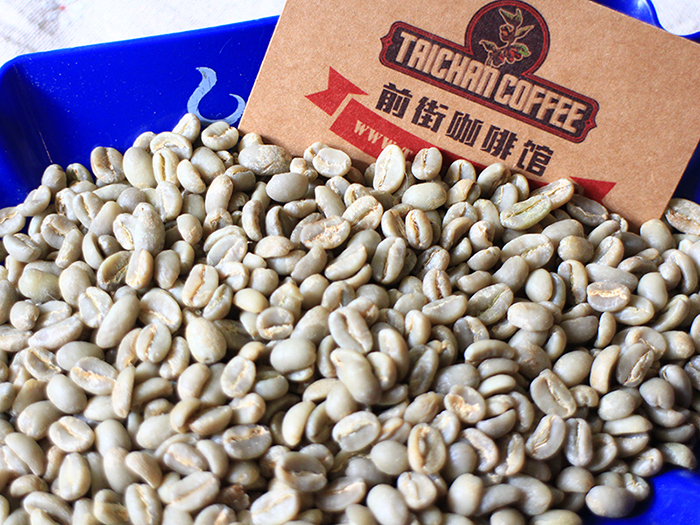
Sunburn Banqi Maji imported fine coffee raw beans Ethiopia Ye Jia Xue Fei BenchMaji original beans
There are eight major coffee producing areas in Ethiopia: Ekempti, Limu, Illubabor, Djimma, Harrar, Teppi/Bebeka, Sidamo and Yirgacheffe. Ethiopian coffee is highly rated in Taiwan, especially the Chinese are particularly interested in three famous Ethiopian producing areas: Harrar, Sidamo and Yirgacheffe.